

Islamic rituals explained: From Five Pillars to Umrah Badal
TL;DR:
- The Five Pillars are the fundamental obligatory acts in Islam, including faith, prayer, charity, fasting, and pilgrimage.
- Umrah on behalf of deceased or incapacitated individuals is permissible, with specific conditions depending on the school of thought.
- Ritual differences exist between Sunni and Shia Muslims, especially in additional practices like Ashura mourning and religious taxes.
Muslims navigating the full landscape of Islamic rituals often face a genuine challenge: which practices are obligatory, which are recommended, and which can be performed on behalf of someone else? The answers matter deeply, especially for families supporting elderly parents, caring for those with chronic illness, or honoring the memory of a deceased loved one. This article maps out the core and common rituals every Muslim should understand, from the Five Pillars that anchor daily life to the lesser-known but spiritually significant practice of Umrah Badal, the proxy pilgrimage performed when a person cannot travel themselves.
Table of Contents
- The Five Pillars: Foundation of Islamic rituals
- Beyond the Pillars: Common additional rituals
- Umrah: Spiritual pilgrimage and its steps
- Umrah Badal: Performing pilgrimage on behalf of others
- Sunni and Shia ritual differences: Core and context
- What most guides miss about Islamic rituals performed for others
- Explore trusted Umrah Badal packages for 2026
- Frequently asked questions
Key Takeaways
| Point | Details |
|---|---|
| Five Pillars are fundamental | All Muslims must observe Shahada, Salah, Zakat, Sawm and Hajj if able as the foundation of Islamic rituals. |
| Additional rituals strengthen faith | Ceremonies like Nikah, Janazah and Eid practices deepen social and spiritual bonds. |
| Umrah Badal enables proxy pilgrimage | Muslims can perform Umrah for deceased or incapacitated loved ones with specific conditions and sincere intention. |
| Ritual differences inform practice | Understanding Sunni-Shia distinctions helps ensure rituals are done properly for every family or community. |
The Five Pillars: Foundation of Islamic rituals
Every conversation about Islamic practice begins here. The Five Pillars of Islam are the core Islamic rituals for Sunni Muslims, forming the structural backbone of religious life. They are not optional guidelines. They are binding obligations for every able-bodied, mentally competent adult Muslim.
The Five Pillars are:
- Shahada (Declaration of Faith): The sincere testimony that there is no god but Allah and that Muhammad is His messenger. This is the entry point into Islam.
- Salah (Prayer): Five daily prayers performed at set times, facing the Kaaba in Mecca. Each prayer involves specific postures, recitations, and intentions.
- Zakat (Almsgiving): An annual charitable contribution, typically 2.5% of eligible savings, redistributed to those in need.
- Sawm (Fasting): Abstaining from food, drink, and other specified acts from dawn to sunset throughout Ramadan.
- Hajj (Pilgrimage): A once-in-a-lifetime journey to Mecca, obligatory for those who are physically and financially able.
These pillars serve a purpose beyond personal devotion. They build discipline, reinforce equality among believers, and create a shared rhythm of worship that unites Muslims across cultures and continents. A step-by-step Five Pillars guide can help new Muslims or those revisiting their practice understand each obligation in practical terms.
“The Five Pillars of Islam are the framework of the Muslim life: faith, prayer, concern for the needy, self-purification, and the pilgrimage.” This summary captures how each pillar addresses a different dimension of spiritual and social life.
Shia Muslims share the same core obligations, though their tradition adds what are called the Ancillaries of the Faith, which we will cover later. The Five Pillars explained in accessible terms show that the shared foundation between denominations is far larger than the differences.
Understanding these pillars is not just academic. When someone cannot fulfill Hajj due to age or illness, it opens the question of proxy performance, which is where Umrah Badal becomes relevant.
Beyond the Pillars: Common additional rituals
With the Five Pillars as a foundation, Islamic practice extends into many other rituals that mark the major moments of a Muslim’s life. These are not obligatory in the same sense as the Pillars, but they carry deep religious and social weight. Additional common Islamic rituals include Taharah, Nikah, Khitan, Janazah, Aqiqah, Eid al-Fitr, and Eid al-Adha.
Here is a closer look at each:
- Taharah (Ritual Purification): Performed before Salah and other acts of worship. This includes Wudu (ablution with water) and Ghusl (full body wash) under specific conditions.
- Nikah (Islamic Marriage): A formal contract witnessed by two adults, involving an offer and acceptance. It is both a legal and spiritual act.
- Khitan (Circumcision): Considered Sunnah (a recommended practice following the Prophet’s example) for boys. Timing varies by culture and family.
- Janazah (Funeral Rites): Includes washing the body, shrouding it, offering the funeral prayer, and burial. These rites are a communal obligation, meaning if some perform them, others are relieved of the duty.
- Aqiqah: An animal sacrifice performed on the seventh day after a child’s birth, accompanied by naming the child and shaving the head.
- Eid al-Fitr: Celebrated at the end of Ramadan with communal prayers, charity (Zakat al-Fitr), and festivity.
- Eid al-Adha: Marks the end of Hajj season with animal sacrifice and distribution of meat to family, neighbors, and those in need.
These major Islamic events do more than fulfill religious requirements. They bind communities together and provide structured moments for gratitude, charity, and remembrance.
Pro Tip: If you are helping a family member fulfill any of these rituals, especially Janazah or Aqiqah, consult a knowledgeable local imam to ensure the specific conditions and timings are correctly observed for your school of thought.
Umrah: Spiritual pilgrimage and its steps
Umrah is a recommended non-obligatory pilgrimage with four main steps, and unlike Hajj, it can be performed at any time of year. Many Muslims choose to perform it during Ramadan for heightened spiritual reward, but it is not restricted to any season.
The four essential steps of Umrah are:
- Ihram: Entering a state of ritual purity and intention. Men wear two seamless white garments; women dress modestly in their regular clothing. The pilgrim recites the Talbiyah (a prayer of response to Allah’s call) and commits to specific prohibitions until the pilgrimage is complete.
- Tawaf: Circling the Kaaba seven times in a counterclockwise direction while reciting prayers and supplications.
- Sa’i: Walking seven times between the hills of Safa and Marwa, commemorating Hajar’s search for water for her son Ismail.
- Halq or Taqsir: Shaving the head (Halq) or trimming the hair (Taqsir) to exit the state of Ihram. This marks the completion of Umrah.
Here is a quick reference for planning:
| Step | Arabic term | Approximate duration |
|---|---|---|
| Enter ritual state | Ihram | 30 to 60 minutes |
| Circle the Kaaba | Tawaf | 45 to 90 minutes |
| Walk between hills | Sa’i | 30 to 60 minutes |
| Hair cutting | Halq/Taqsir | 10 to 20 minutes |
For those planning their first visit, an Umrah booking guide can help with logistics, including visa requirements, accommodation near the Haram, and packing essentials. Spiritual preparation is just as important as logistical planning.
Umrah Badal: Performing pilgrimage on behalf of others
One of the most meaningful and often misunderstood practices in Islamic ritual is Umrah Badal, the performance of Umrah on behalf of another person. Umrah Badal is permissible for deceased Muslims or those permanently unable to perform it themselves, with specific conditions depending on the school of Islamic jurisprudence.

A foundational Hadith supports this practice: a woman asked the Prophet Muhammad (peace be upon him) whether she could perform Hajj for her deceased mother, and he confirmed that she could, drawing an analogy to repaying a debt. This same principle extends to Umrah.
Here is how the major schools of thought approach Umrah Badal:
| School | Permissible for deceased? | Permissible for living incapacitated? | Proxy must have done own Umrah first? |
|---|---|---|---|
| Hanafi | Yes | Yes | Not required |
| Shafi’i | Yes | Yes | Yes |
| Hanbali | Yes | Yes | Yes |
| Maliki | Discouraged | Discouraged | N/A |
Key conditions and steps for performing Umrah Badal:
- The proxy must be a Muslim who is physically and spiritually capable.
- The niyyah (intention) must be stated clearly on behalf of the recipient at the point of entering Ihram.
- All four steps of Umrah must be completed as described above.
- The recipient must be deceased, or permanently unable to travel due to illness or disability.
For those wondering whether this is allowed for a living person, Umrah for others is permitted under specific conditions, and a detailed Umrah for others guide explains the process step by step for 2026. Families and caregivers will also find practical advice in a dedicated guide on Umrah Badal duties and Umrah tips for caregivers.
Pro Tip: When arranging a proxy, always confirm that the person performing Umrah Badal has completed their own Umrah first, especially if following the Shafi’i or Hanbali school. This is a condition that affects the validity of the proxy act.
For a broader look at the rulings on performing Umrah for someone else, including evidence from classical scholars, several trusted resources are available online.
Sunni and Shia ritual differences: Core and context
For Muslims researching ritual nuances, understanding denominational differences is important, particularly when proxy acts or community observances are involved. Both Sunni and Shia Muslims share the Five Pillars, but there are meaningful distinctions in practice and additional obligations.
Sunni and Shia ritual differences include shared Five Pillars, Shia Ancillaries of the Faith, and distinct practices for events like Ashura.
Here is a side-by-side comparison of key differences:
| Practice | Sunni | Shia |
|---|---|---|
| Daily prayers | 5 separate prayers | 5 prayers, sometimes combined into 3 sessions |
| Zakat | 2.5% on savings | Zakat plus Khums (20% on annual surplus) |
| Ashura | Optional fast (Day of Atonement) | Major mourning commemoration |
| Additional obligations | Five Pillars | Five Pillars plus Ancillaries of the Faith |
The Shia Ancillaries include:
- Khums: A 20% religious tax on annual surplus income.
- Jihad: Understood as both spiritual striving and, in classical scholarship, armed defense.
- Amr bil Ma’ruf: Commanding what is good.
- Nahy 'anil Munkar: Forbidding what is wrong.
- Tawalla and Tabarra: Expressing love for the Imams and distancing from their enemies.
“Despite their differences, Sunni and Shia Muslims share the same foundational faith, direction of prayer, and core acts of worship. The differences are real but should not obscure the common ground.”
Ashura is perhaps the most visible point of divergence. Sunni Muslims may observe it with fasting, recalling the day Moses fasted in gratitude for the liberation of the Israelites. Shia Muslims observe it as a solemn day of mourning for the martyrdom of Imam Husayn at Karbala. Both observances are sincere expressions of faith, rooted in different historical and theological frameworks.
What most guides miss about Islamic rituals performed for others
Most discussions of Umrah Badal focus almost entirely on the legal conditions: who qualifies, which school of thought permits it, and whether the proxy has completed their own pilgrimage. These are important questions. But they often overshadow something equally significant: the emotional and spiritual weight that families carry when arranging a proxy ritual.
For a parent who watched their own mother decline before she could travel to Mecca, arranging Umrah Badal is not just a legal transaction. It is an act of love and closure. The intention behind the act, the niyyah, matters not just as a technical requirement but as a genuine expression of devotion.
Choosing a trustworthy proxy is critical. A proxy who performs the ritual with sincerity, follows the correct steps, and communicates openly with the family provides something that no checklist can fully capture: peace of mind. Families deserve to feel confident that the ritual was performed with care and respect.
A Badal Umrah guide for families can help loved ones navigate both the spiritual and practical dimensions of this decision, ensuring that the act of worship is both valid and meaningful.
Explore trusted Umrah Badal packages for 2026
For those ready to arrange a proxy pilgrimage, having the right support makes all the difference. At badalumrah.org, specialized packages are designed to meet the needs of families, caregivers, and individuals fulfilling a sacred duty on behalf of loved ones.
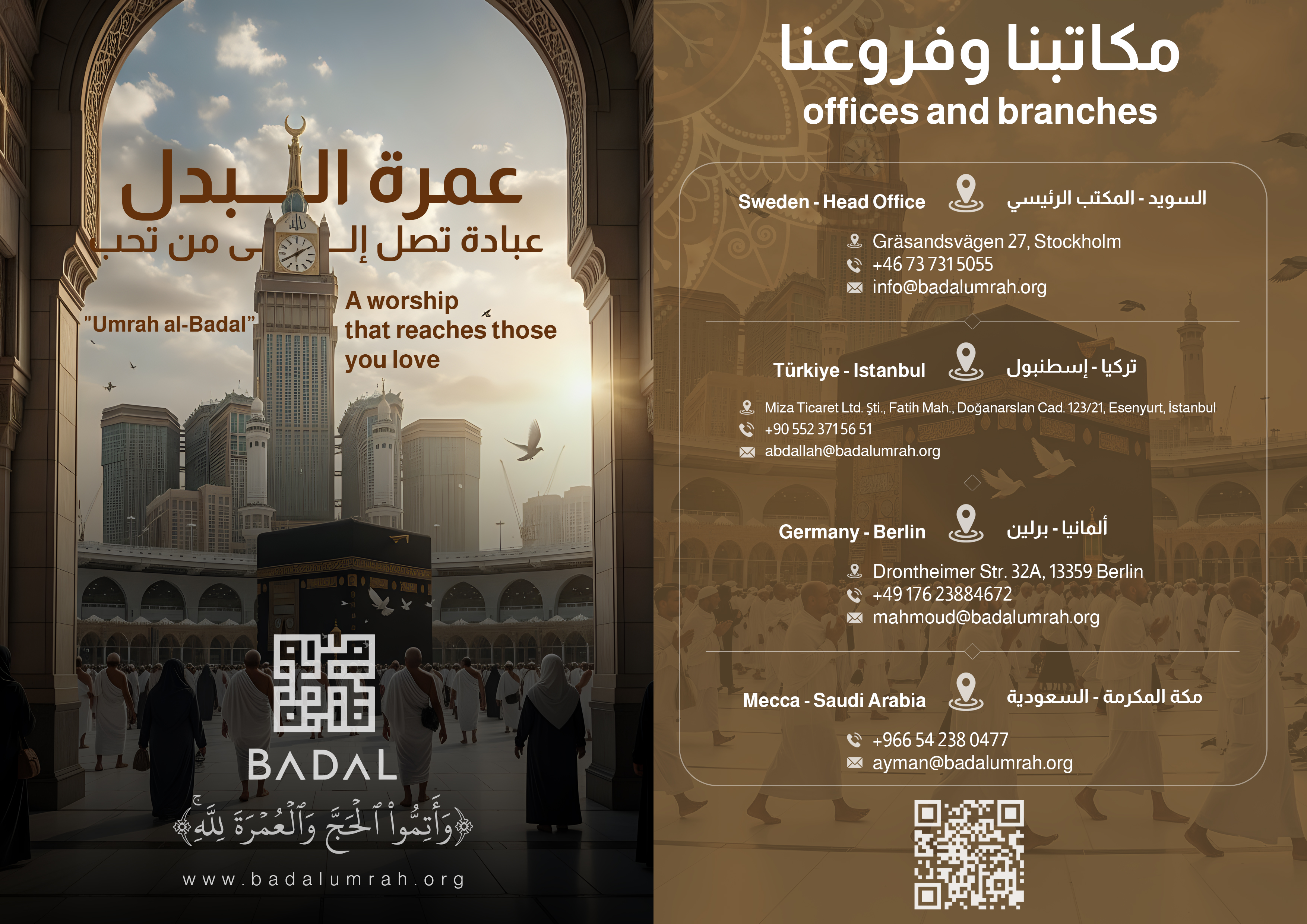
The Barakah Premium Package includes full documentation, video and photo coverage, and a personalized certificate confirming the completion of Umrah Badal. For those seeking a more focused option, the Umrah Badal Du’a Package provides dedicated supplication during the pilgrimage. Browse the full Umrah package collection to find the option that best fits your situation and your loved one’s needs.
Frequently asked questions
What are the main types of Islamic rituals?
The core Islamic rituals are the Five Pillars, plus common practices like purification, marriage, circumcision, funeral rites, and Eid celebrations. Together, they cover the full arc of a Muslim’s spiritual and social life.
Can Umrah Badal be performed for anyone?
Umrah Badal can be performed for deceased Muslims or those permanently unable to travel, with eligibility conditions varying by religious school of thought.
What’s the difference between Hajj and Umrah?
Hajj is obligatory and performed only during specific days in the Islamic month of Dhul Hijjah, while Umrah is recommended and can be performed at any time of year.
How do Sunni and Shia rituals differ?
Both share the Five Pillars, but Shia Muslims observe additional Ancillaries of the Faith and have distinct practices for events like Ashura, including mourning rather than fasting.