

7 Essential Umrah Preparation Tips for Families Worldwide
Arranging a proxy Umrah for a loved one can feel overwhelming, especially when you want everything to be spiritually meaningful and legally secure. From avoiding fraudulent operators to meeting strict Saudi documentation and health requirements, each step can raise new questions for your family. The stakes are high, and making the wrong choice could leave your loved one’s pilgrimage incomplete or your money at risk.
The good news? There are clear actions you can take to simplify the process, find trusted services, and ensure your family’s spiritual needs are honored. This guide gathers proven tips and verified steps based on official Saudi regulations and practical research, helping you prepare confidently and avoid costly missteps.
Get ready to discover actionable insights that will protect your family from fraud, clarify religious authenticity, and guarantee a smooth proxy Umrah experience from start to finish.
Table of Contents
- 1. Understand The Religious Importance Of Proxy Umrah
- 2. Verify The Legitimacy Of Umrah Proxy Services
- 3. Gather And Prepare Required Documentation
- 4. Select The Most Suitable Service Package
- 5. Educate Family Members On Umrah Procedures
- 6. Plan Financially And Allocate Charity Contributions
- 7. Ensure Transparency And Follow-Up With Service Providers
Quick Summary
| Takeaway | Explanation |
|---|---|
| 1. Understand Proxy Umrah’s Spiritual Significance | Proxy Umrah is a valid practice rooted in Islamic tradition, allowing those unable to travel to fulfill a spiritual obligation through a representative. |
| 2. Verify the Legitimacy of Proxy Services | Confirm a service’s legitimacy by checking their licensing through official government records to avoid scams and ensure spiritual duties are met. |
| 3. Gather Required Documentation | Ensure all necessary documents, including valid passports and health certificates, are prepared well in advance to avoid complications during travel. |
| 4. Choose the Right Service Package | Select a package that aligns with your family’s specific needs and budget, considering factors like accommodation proximity and transportation logistics. |
| 5. Educate Family on Umrah Procedures | Prepare family members by explaining Umrah rituals and their significance, fostering a deeper emotional connection to the pilgrimage performed on their behalf. |
1. Understand the Religious Importance of Proxy Umrah
Proxy Umrah, or Badal Umrah, isn’t just a convenient alternative for those who cannot travel to Mecca. It’s a spiritually valid and religiously sanctioned practice with deep roots in Islamic tradition. Understanding why this matters will help you approach the journey with the reverence it deserves, whether you’re performing it yourself or arranging it for a loved one.
The practice of performing Umrah on behalf of another person traces back to the earliest days of Islam. When the Prophet Muhammad taught his followers, he made clear that certain acts of worship could be completed through a designated representative. This principle applies directly to Umrah, which means that if you’re elderly, ill, or physically unable to perform the pilgrimage yourself, you can appoint someone trustworthy to undertake this sacred obligation in your name. The religious validity of proxy Umrah rests on clear Islamic jurisprudence that recognizes the intention and sincerity of both the person making the journey and the one on whose behalf they travel.
What makes proxy Umrah religiously significant is that it provides a path to fulfill one of Islam’s cherished practices for those who thought their circumstances had closed that door. Your family member in their 80s who suffered a stroke no longer faces the heartbreak of believing they’ll never perform Umrah. Your elderly relative confined to a wheelchair can still complete this spiritual obligation. The prayers made on their behalf during the pilgrimage carry weight and meaning in Islamic tradition, provided the service is performed with proper intention and through legitimate channels.
The Islamic rulings on Badal Umrah provide detailed guidance on the conditions and requirements for valid proxy pilgrimage. One essential condition is that the person performing the Umrah on your behalf must be a Muslim who is physically able to complete the rituals. Another is that your intention must be clear and sincere. When you engage a proper proxy service, these conditions are met with care and attention to Islamic principles.
Many families hesitate about proxy Umrah because they worry about its religious authenticity. Will it really count? Will the reward be the same? Islamic scholars across different schools of thought have addressed these concerns, confirming that when performed correctly, proxy Umrah fulfills the obligation. The person on whose behalf the Umrah is performed receives the spiritual benefit, and the designated pilgrim receives reward for their obedience and service. It’s not a lesser form of worship; it’s an accommodation within the faith specifically designed for those facing circumstances beyond their control.
Consider the practical reality. A family with an aging grandmother in Cairo, a busy executive father in Toronto, and adult children spread across Dubai, London, and New York could previously only hope for these relatives to perform Umrah when travel became somehow possible. Now, through proxy services, each of them can fulfill this obligation on their own timeline, with their own dedicated pilgrim ensuring the rituals are completed authentically. The grandmother performs her obligation without the physical strain that might endanger her health. The busy father fulfills his religious duty without the extended absence from family responsibilities. This flexibility doesn’t diminish the practice; it honors Islam’s recognition that circumstances vary.
When you choose to pursue proxy Umrah through a legitimate service, you’re engaging in something far deeper than booking a travel package. You’re participating in a religious tradition that stretches back centuries and embracing an Islamic principle that affirms the value of adapting to human limitations while maintaining spiritual integrity. This understanding transforms the entire experience from a practical workaround into a meaningful expression of faith.
Pro tip: Before arranging proxy Umrah, discuss the decision with your family and specify your intentions clearly so your designated pilgrim understands the spiritual significance they carry and approaches the journey with the proper focus and reverence.
2. Verify the Legitimacy of Umrah Proxy Services
Scams targeting pilgrims represent one of the fastest growing fraud schemes affecting Muslim families worldwide. Before you hand over your money and your spiritual obligation to any proxy service, you need a concrete verification process that separates legitimate operators from predatory ones. Knowing how to validate a service’s legitimacy is the single most important step in protecting both your finances and your faith.
The stakes are surprisingly high. Fraudulent Umrah proxy services operate in a few predictable ways. Some take payment and vanish entirely. Others provide fake certificates claiming your relative performed Umrah when nothing ever happened. Still others perform the pilgrimage but pocket most of the donations that were supposed to support charitable causes. Your family doesn’t just lose money in these scenarios. Your relative’s spiritual obligation remains unfulfilled, and the emotional damage of discovering the deception cuts deep.
Legitimacy verification starts with official government records. The Saudi Ministry of Hajj and Umrah maintains a public database of accredited and licensed pilgrimage operators. You can verify licensing status online through their official portal to confirm that any service you’re considering has proper authorization. This single step eliminates roughly 80 percent of fraudulent operators who lack the capability or willingness to obtain legitimate licensing. When a company can be directly verified through Saudi government records, you have proof that they meet baseline regulatory requirements.
Beyond government verification, look for specific credentials and certifications. Legitimate proxy services maintain transparent documentation of their packages, pricing structures, and what’s included. They can provide references from previous clients and display their licenses prominently on their websites. They offer detailed breakdowns of costs rather than vague, all-inclusive prices that hide where your money actually goes. When you ask questions, they respond clearly and quickly rather than pushing you toward an immediate decision.
Certification and documentation matters more than you might realize. Reputable services provide detailed certificates that list your relative’s name, the dates of the pilgrimage, the specific rituals performed, and often video evidence of the Umrah completion. This documentation serves multiple purposes. It confirms the pilgrimage happened. It provides a record your family can treasure. It demonstrates the service’s commitment to transparency and accountability. A service unwilling or unable to provide proper documentation is raising a red flag.
Another verification angle involves checking for complaints and reviews across multiple independent platforms. Scammers typically appear on one site briefly before moving to another. Legitimate services accumulate genuine reviews and testimonials across years of operation. Look for patterns in feedback. Are customers consistently reporting that the service delivered what was promised? Do people mention specific staff members by name or describe detailed interactions? These indicators suggest real experiences from actual clients. Generic praise that mentions no specifics or numerous complaints about non-delivery should concern you.
Communication style tells you a lot. Legitimate services answer your detailed questions about the process, requirements, and what happens during the pilgrimage. They explain the Islamic requirements for valid proxy Umrah. They’re willing to discuss fees and what they cover. Fraudulent services rush you. They use high-pressure sales tactics. They discourage questions or provide vague, rehearsed answers. They avoid discussing specific details of the pilgrimage process. Your instinct matters here. If a service feels rushed or evasive, trust that feeling.
Financial transparency represents another essential verification point. Legitimate services can explain exactly how your payment is allocated. Do they break down the cost of accommodation in Mecca, transportation, ritual requirements, and administrative fees? Do they explain what portion goes to charity? Predatory services quote suspiciously low prices that don’t match the actual costs of providing these services, or they bundle everything into an opaque total. Before you commit financially, you should understand clearly where every dollar is going.
A service willing to provide detailed breakdowns of costs, verifiable licenses, documented certificates, and transparent communication channels demonstrates the legitimacy that your family deserves when fulfilling such a sacred obligation.
Pro tip: Contact the Saudi Ministry directly to verify a service’s license status before making any payment, and request written confirmation of all promises the service makes regarding what will be performed and documented during the proxy Umrah journey.
3. Gather and Prepare Required Documentation
Documentation might seem like bureaucratic busywork, but it’s actually your family’s ticket to a smooth and legally compliant pilgrimage. Without proper paperwork, your proxy Umrah arrangement can stall at borders, create legal complications, or fail to meet Saudi Arabia’s health and safety requirements. Getting ahead of documentation needs now saves weeks of stress later.
Saudi Arabia maintains strict entry requirements that apply equally to pilgrims performing Umrah for themselves and those serving as proxies on behalf of others. Your designated pilgrim needs specific documents to legally enter the country and perform the sacred rituals. These aren’t suggestions or nice to haves. These are hard requirements that border officials will verify before allowing anyone to enter Saudi territory. Missing or expired documents at the airport means your proxy cannot travel, your relative’s pilgrimage doesn’t happen, and your family faces financial and emotional consequences.
The foundation of all required documentation is a valid passport. Your pilgrim needs a passport with at least six months of validity remaining from the date they plan to enter Saudi Arabia. This validity requirement exists because Saudi Arabia won’t process visas for passports expiring too soon. If your designated pilgrim’s passport expires in three months, they cannot apply for an Umrah visa today. They must first renew their passport, which can take weeks or months depending on their country of residence. Start this process immediately if you’re in the planning stages.
Vaccination certificates form the second pillar of required documentation. Official Saudi health regulations require proof of vaccination for meningitis, polio, and COVID-19 as applicable. These aren’t vague recommendations. These are documented health mandates that Saudi officials verify at entry points. Your pilgrim needs official vaccination certificates from their home country’s health authorities, not just verbal confirmation they received the shots. If they’re missing any required vaccination, they’ll need time to get vaccinated and then wait for the certificate to be issued. For families operating on tight timelines, this can become a critical bottleneck.
Umrah visa requirements extend beyond passports and vaccines to include several additional documents. Your pilgrim needs recent passport-sized photographs, typically two to four depending on the visa category. They need confirmed return tickets showing they have a way to leave Saudi Arabia after completing Umrah. They need accommodation details proving they have a place to stay in Mecca and Medina. These aren’t documents you can create on the spot. You need to arrange accommodation in advance, book return flights before submitting the visa application, and obtain professional photographs from a qualified photographer.
When you’re arranging proxy Umrah for a family member, you’ll also need documentation proving your relationship to them and authorizing them to perform the pilgrimage on their behalf. This typically requires an official letter of authorization signed by your relative, sometimes notarized, stating clearly that you’ve appointed this specific person to perform Umrah on your behalf. Different proxy services have different requirements here, but legitimate services will provide you with templates or specific guidance on what documentation is needed. Never guess what’s required. Always ask your proxy service for their exact documentation checklist.
Health documentation for your designated pilgrim goes beyond vaccination certificates. If your relative is elderly or has health conditions, your pilgrim should carry copies of relevant medical records showing they’re fit to travel and perform physical rituals. While Saudi Arabia doesn’t require this for all pilgrims, having documentation about any medications they take or conditions they manage can be invaluable if any issues arise during the journey. It also helps your pilgrim understand their own physical capabilities and limitations during the pilgrimage.
Organization matters tremendously here. Create a checklist for each document with specific deadlines. Your pilgrim needs to know when passports expire and when they need renewal. Your family member needing the proxy needs to understand vaccination requirements and schedule appointments if needed. You need to coordinate with your proxy service about their specific documentation requirements and provide clear timelines. A spreadsheet tracking each document, deadline, and responsible person prevents last-minute scrambling that leads to missed applications or incomplete submissions.
Missing even a single required document can delay or completely derail a proxy Umrah arrangement, making early and thorough documentation gathering the practical foundation of a successful pilgrimage.
Digital copies matter as much as originals. Scan every important document and store copies securely online. If your pilgrim loses their vaccination certificate or their hotel confirmation gets accidentally deleted, having digital backups means you can reprint them within minutes rather than reapplying for documents that take weeks to obtain. Use a secure cloud storage service that both you and your pilgrim can access.
Pro tip: Start gathering documentation three months before your target Umrah date, beginning with passport validity checks and vaccination status, then work backward to schedule any needed renewals or vaccinations before submitting visa applications.
4. Select the Most Suitable Service Package
Proxy Umrah services come in multiple tiers, each designed for different family situations, budgets, and priorities. Choosing the right package means understanding what you actually need versus what marketing makes sound appealing. The wrong choice leaves your family paying for services you won’t use or compromising on essentials that matter most.
Think of service packages as a spectrum from basic to premium, with meaningful differences in what’s included at each level. A basic package might cover the core pilgrimage arrangements and documentation. A mid tier package adds accommodation closer to the Haram, meal provisions, and transportation logistics. A premium package includes luxury accommodations, dedicated guides, comprehensive support, and sometimes charitable donations on behalf of your relative. Understanding these tiers helps you match spending to actual value.
Your family’s specific situation determines what package makes sense. If your elderly relative is performing Umrah for the first time and you want to ensure they have comfortable accommodations and reliable support throughout, a mid to premium package probably serves you better than the most basic option. If your relative has already performed Umrah multiple times and simply needs someone to complete another pilgrimage on their behalf for a specific spiritual intention, a basic package might deliver everything necessary at a fraction of the cost. There’s no shame in choosing a basic package if it meets your needs.
Budget constraints shape decisions for many families. You might have multiple relatives needing proxy Umrah, which means stretching your resources across several pilgrims. In these situations, understanding exactly what each package tier includes helps you make strategic choices. Perhaps you select premium packages for elderly relatives with health concerns and basic packages for younger family members who could benefit from a different relative’s pilgrimage. Being intentional about spending ensures you’re allocating resources where they create the most benefit.
Accommodation proximity to the Haram represents one of the most tangible differences between packages. The Haram is Islam’s holiest site in Mecca, and proximity matters both practically and spiritually. Budget packages might place your pilgrim in accommodations farther away, requiring transportation to reach the Haram for daily prayers and rituals. Mid tier packages typically offer accommodations within walking distance. Premium packages place pilgrims in luxury hotels with direct views or immediate access. If your pilgrim is elderly or has mobility challenges, that proximity becomes genuinely important rather than just convenient.
Transportation logistics differ significantly across packages. Some services arrange group transportation with other pilgrims, keeping costs down but requiring flexibility about timing and schedules. Others provide dedicated transportation for your pilgrim, allowing more personalized timing around their specific needs. If your relative has mobility issues, medical appointments, or specific prayer preferences, dedicated transportation becomes more valuable than the cost savings of group arrangements.
Meal provisions warrant careful attention, especially if your pilgrim has dietary requirements or health restrictions. Some packages provide simple meals that meet basic nutritional needs. Others offer diverse menus accommodating different preferences and requirements. Some packages include meal allowances letting your pilgrim choose their own food options. If your designated pilgrim follows specific dietary practices, has allergies, or maintains particular nutritional needs, clarifying what meals are provided and their flexibility becomes essential.
Selecting the appropriate Umrah package involves assessing whether the service includes visa processing, which can represent significant time and complexity. Some packages handle all visa paperwork, document collection, and submission. Others require you to handle visa processing separately, reducing package cost but increasing your administrative burden. If you’re coordinating from overseas or managing details for an elderly family member, having the service handle visa processing saves considerable stress and reduces chances of delays from miscommunication.
Group versus private pilgrimage experiences create another important distinction. Group packages connect your pilgrim with other people performing Umrah, creating community and shared spiritual experience. Private packages provide dedicated guides and customized itineraries for your specific family. Neither is universally better. A gregarious pilgrim might treasure the group experience and friendships formed. A more private or introverted pilgrim might prefer undistracted focus on their own spiritual journey. Match the package style to your pilgrim’s personality and preferences.
Charitable components increasingly distinguish service packages, particularly when the pilgrimage is performed on behalf of someone who has passed away. Some packages donate a portion of fees to charitable causes, which aligns with Islamic values and creates meaningful impact beyond the pilgrimage itself. If your family values charitable giving, understanding which packages support causes important to you adds another layer of meaning to the arrangement.
Transparency about what’s included and what’s not represents the clearest way to compare packages meaningfully. Legitimate services provide detailed breakdowns of each tier. Basic package includes accommodations, meals, and local transportation. Mid tier adds this specific hotel category and daily guide services. Premium tier includes this level of accommodation and comprehensive support. When comparing packages, ignore marketing language and focus on actual inclusions. Create a comparison table listing what matters most to your family, then see which packages align with those priorities.
The right package isn’t the most expensive or the cheapest. It’s the one that delivers what your family actually needs at a price that feels fair for the value provided.
Many families make the mistake of assuming they need premium packages when careful assessment reveals their needs are met by mid tier options. They might overspend unnecessarily. Conversely, some families choose ultra budget packages only to discover they’re compromising on genuinely important elements. Spending a few hours understanding your actual requirements prevents both scenarios.
Professional advice: List your family’s specific needs, your pilgrim’s personality preferences, and your budget constraints, then compare how different packages address each requirement rather than simply comparing prices across tiers.
5. Educate Family Members on Umrah Procedures
When your family understands what proxy Umrah actually involves, they stop viewing it as a distant transaction and start recognizing it as a meaningful spiritual act performed on their behalf. Education transforms anxiety into confidence. It converts uncertainty into purpose. Family members who understand the procedures feel more connected to the pilgrimage, even when they’re not physically present in Mecca.
Your relatives need to know what happens during Umrah so they can prepare mentally and spiritually. Many people imagine the pilgrimage as mysterious or overly complex when it actually follows clear, defined steps. When you explain these steps simply, family members grasp the significance and feel empowered by understanding their role in the arrangement. This knowledge removes barriers that prevent them from fully appreciating the spiritual journey being undertaken on their behalf.
Start by explaining the core rituals in straightforward language. Umrah involves entering the state of ihram, which is a spiritual condition marked by specific clothing and intentions. Your pilgrim will then perform tawaf, which is walking around the Kaaba seven times while making personal prayers and supplications. Then comes sa’y, which involves walking between the hills of Safa and Marwah seven times, commemorating Hagar’s search for water. Finally, your pilgrim will have their head shaved or hair trimmed, marking the completion. These aren’t abstract concepts. They’re concrete actions your family member can visualize and understand.
Explain why each ritual matters spiritually. The ihram state creates equality among all pilgrims, regardless of wealth or status, everyone wears simple white clothing and focuses on their connection to God. The tawaf circling the Kaaba represents devotion and unity with Muslims from every era and nation who have performed the same action. The sa’y retraces the steps of a revered figure from Islamic history, connecting pilgrims to tradition and perseverance. When your family understands these meanings, the pilgrimage becomes personally relevant rather than rote procedure.
Teach your family about duas, which are personal prayers and supplications your pilgrim will make during the journey. Different duas are traditionally made at different points, some seeking forgiveness, others requesting blessings for family and loved ones. Your relatives might prepare specific duas they want your pilgrim to make on their behalf. An elderly grandmother might write out a specific prayer for her grandchildren’s health. A parent might request duas for their children’s success in studies. When family members participate in preparing duas, they become active partners in the spiritual journey rather than passive beneficiaries.
Help family members understand the step-by-step process of Badal Umrah so they know what to expect from booking through completion. Your family should understand how long the pilgrimage takes, roughly three to five days from arrival to completion. They should know when their designated pilgrim will be in Mecca versus Medina, what documentation will be provided, and when they’ll receive certificates and videos confirming completion. This timeline helps relatives understand the journey’s pace and feel connected to events as they unfold.
Educate family members about the physical demands of Umrah so everyone understands what their designated pilgrim is undertaking. Walking around the Kaaba, climbing hills, standing in prayer for extended periods, and navigating crowds requires physical stamina and mental focus. When family members understand these demands, they appreciate the effort and dedication their pilgrim is investing on their behalf. This understanding deepens gratitude and strengthens the spiritual connection between the person performing the pilgrimage and those on whose behalf it’s performed.
Teach younger family members about Umrah in age appropriate ways that capture their interest and imagination. Children can learn about the Kaaba as the most sacred place in Islam, about the millions of Muslims who travel there from every corner of the world, and about the specific actions their designated pilgrim will perform. You might show them maps showing the journey from their home to Mecca. You might explain that their elderly grandmother, who can no longer travel herself, will have someone travel in her place, just like having a trusted friend deliver an important message. Make it real, relatable, and meaningful to their understanding level.
Educating family about rituals, duas, and significance in simple, engaging ways helps everyone feel emotionally and religiously prepared for the experience. When children understand why Umrah matters, why their family member chose this path, and what their designated pilgrim will do, they stop viewing the arrangement as confusing and start seeing it as something beautiful and meaningful.
Create opportunities for family discussion about Umrah. Host a family gathering where you explain the procedures, answer questions, and create space for relatives to express their hopes and intentions. These conversations transform Umrah from an individual transaction into a family experience. Your 85-year-old relative who never thought they’d perform Umrah realizes their family is making this happen together. Your grandchildren learn about their religious heritage and family values in concrete ways. Your adult children understand their role in fulfilling obligations for aging parents. The education becomes bonding.
Family members who understand Umrah procedures shift from passive observers to active spiritual participants, even when they’re unable to physically travel to Mecca themselves.
Prepare your family for the emotional aspects of the pilgrimage. Some relatives might feel grief that they cannot perform Umrah themselves due to age or health. Others might feel joy and gratitude that someone is performing this sacred duty on their behalf. Some might experience unexpected emotional connections during the pilgrimage itself, moved by the prayers and intentions being made for them. When families discuss these emotional dimensions beforehand, they’re better prepared to process feelings as they arise.
Professional guidance: Create a simple written guide explaining Umrah procedures in your family’s native language, include photos or diagrams showing the sequence of rituals, and ask your proxy service to share video documentation so family members can see the pilgrimage happening in real time.
6. Plan Financially and Allocate Charity Contributions
Proxy Umrah costs money, and avoiding the financial conversation doesn’t make the expenses disappear. Smart families address costs head-on, create realistic budgets, and plan how to manage expenses without financial strain. When you understand what proxy Umrah actually costs and build a thoughtful financial plan, you eliminate stress and ensure your family can comfortably afford this meaningful religious obligation.
Proxy Umrah expenses break down into predictable categories, each requiring separate consideration in your budget. The service package itself represents your largest expense, covering the proxy’s accommodations, transportation within Saudi Arabia, meals, and the service provider’s costs. Beyond the package, budget for visa processing fees, which vary by country but typically range from 100 to 300 dollars. Include vaccination and health requirements, which might cost 50 to 200 dollars depending on whether your pilgrim needs vaccines and your location. Add transportation to your pilgrim’s departure airport and any accommodation they need before traveling. Then allocate emergency funds for unexpected expenses that inevitably arise.
Many families underestimate costs by focusing only on the service package price. They forget that getting your pilgrim to the airport requires transportation, possibly hotel stays, and meals during travel. They don’t budget for last-minute documentation needs or visa expediting if timelines tighten. They fail to account for communication costs if they want regular updates from their pilgrim during the journey. Building a comprehensive budget that includes all categories prevents financial surprises.
Complete financial planning for pilgrimage expenses includes allocating funds for flights, accommodation near the Haram, local transport, vaccinations, daily expenses, and emergency reserves. When you understand all cost components, you can prioritize spending on elements that matter most to your family. Perhaps excellent accommodation near the Haram is worth the extra expense because your elderly relative feels more connected to their spiritual journey. Perhaps group transportation is fine because your pilgrim enjoys community. By understanding costs fully, you make intentional choices rather than reactive ones.
Start your financial planning by gathering quotes from multiple proxy services. Don’t accept the first price you receive. Legitimate services should provide detailed cost breakdowns showing what’s included in their quoted price. When you compare three or four services, you develop a sense of reasonable pricing for your preferred package tier. You’ll identify genuinely competitive services from those overcharging for comparable offerings. You’ll spot services that seem suspiciously cheap, which might indicate corners being cut or hidden fees appearing later.
Create a timeline for saving if you need advance funding. If proxy Umrah costs 3000 to 5000 dollars and you have nine months before your target date, you’re saving roughly 330 to 550 dollars monthly. That’s more manageable than scrambling to accumulate the entire amount in two months. Breaking large expenses into monthly savings goals makes the financial commitment feel achievable. Some families distribute the cost across multiple family members, with adult children contributing to help their aging parents fulfill this obligation.
Charitable contributions represent an important and often overlooked aspect of proxy Umrah financial planning. Many proxy services allocate portions of their fees to charitable causes. Some support Gaza relief efforts. Others fund education for disadvantaged children. Some support healthcare access in underserved Muslim communities. Understanding your service’s charitable commitments helps you feel good about where your money goes. If specific causes matter deeply to your family, ask your proxy service about their charitable partnerships and potentially direct additional donations toward causes aligned with your values.
Beyond service provider charitable allocations, consider whether your family wants to make separate charitable contributions in connection with the proxy Umrah. In Islamic tradition, performing Umrah for someone who has passed away often includes charitable giving in their memory. Even when performing proxy Umrah for someone living, many families add charitable donations reflecting the spiritual significance of the pilgrimage. This might be 200 dollars donated to an Islamic education organization, 500 dollars supporting orphans in Muslim-majority countries, or donations to your local mosque. These contributions become part of the overall spiritual investment surrounding the proxy arrangement.
Declare your charitable intentions clearly when booking your proxy service. Tell them what portion of your payment you’d like directed to charity if they offer that option. Some services match portions of their profits to charitable causes, amplifying the impact of your financial commitment. Others provide transparent reporting showing exactly how charitable funds were used. These details matter because your family wants assurance that their values align with how their money is being deployed.
Document all your financial planning and charitable commitments. Create a spreadsheet tracking your service package cost, individual expense items, payment schedule, and your charitable allocation. This documentation serves multiple purposes. It keeps you organized and accountable to your budget. It provides clarity if family members question your financial decisions. It creates a record you can reference if any disputes arise. It demonstrates to your designated pilgrim exactly how their journey is being funded and where charitable support is directed.
Transparent financial planning transforms proxy Umrah from a vague expense into a clear investment in spiritual fulfillment and charitable impact that your entire family can understand and support.
Budget for communication during the pilgrimage itself. You’ll likely want regular updates from your pilgrim about their journey’s progress. Some services include WhatsApp updates or regular messaging. Others charge extra for frequent communication. If staying connected matters to your family, budget accordingly. The emotional comfort of knowing your pilgrim is safe and progressing through their journey justifies the communication costs.
Build in a contingency buffer of 10 to 15 percent above your total budget for unexpected expenses. Something always arises. Your pilgrim develops a minor health need. An airport fee you didn’t anticipate appears. Currency exchange rates shift unexpectedly. Having a financial cushion means you handle these surprises without panic or financial strain.
Professional guidance: Create a detailed budget spreadsheet six months before your target Umrah date, comparing at least three proxy services, allocating both direct costs and charitable contributions, and building in a 10 to 15 percent emergency buffer to handle unexpected expenses.
7. Ensure Transparency and Follow-up with Service Providers
Once you’ve committed to a proxy Umrah service and your pilgrim is preparing for the journey, your relationship with the service provider doesn’t end. In fact, it intensifies. Regular communication and follow-up ensure your family receives exactly what was promised and gives you peace of mind that everything is proceeding as planned. Transparency throughout the process separates trustworthy providers from those cutting corners.
Transparency begins with written documentation of everything agreed upon. Before making final payment, you should have a written contract or agreement specifying exactly what your service package includes. This document should list accommodations, meals, transportation, what documentation will be provided, the timeline for completing Umrah, and what communication you’ll receive during the journey. This isn’t excessive caution. This is basic business practice that protects both you and the service provider by creating shared understanding.
Request a detailed timeline showing key dates and milestones. When does your pilgrim depart their home country? When do they arrive in Saudi Arabia? When do they enter ihram and begin Umrah? When will they complete the rituals? When do they depart Saudi Arabia? Having these dates in writing creates accountability. It gives you checkpoints to verify progress. It prevents your service provider from being vague about timing, which can hide delays or complications.
Establish clear communication channels before the journey begins. How will your family receive updates? Will your pilgrim contact you directly, or will the service provider relay messages? How frequently can you expect communication? What’s the response time if you have questions or concerns? Some services provide daily WhatsApp updates. Others send weekly summaries. Some offer real-time video evidence of the pilgrimage happening. Understanding communication expectations prevents frustration when you’re waiting anxiously for news.
Request regular proof of progress. Your service provider should send documentation as your pilgrim advances through each stage of Umrah. Photos or videos from the Kaaba during tawaf. Evidence from the Haram during prayers. Confirmation when sa’y between Safa and Marwah is completed. This isn’t just emotional comfort, though families deeply appreciate seeing their pilgrim’s journey unfold. This documentation serves as proof that the pilgrimage actually happened and creates the record your family will treasure afterward.
Maintain communication records throughout the process. Save all emails, messages, and documents exchanged with your service provider. Screenshot any photos or videos they send. Keep copies of payment confirmations and receipts. If any disagreement arises later about what was promised or delivered, these records protect you. They demonstrate exactly what the service provider committed to and what they’ve fulfilled. Professional services maintain similar records on their end and don’t object to your doing the same.
Verify that your service provider meets mandatory standards set by Saudi authorities including proper reception, licensed transportation, legitimate accommodation, health care access, and emergency services. Licensed providers undergo regular audits and maintain compliance with government requirements. Your service provider should be able to provide their licensing information and demonstrate they meet these standards. If they’re evasive about credentials or dismissive of government standards, that’s a warning sign.
Schedule check-in points before the pilgrimage begins. Instead of hoping for communication, establish a plan. Plan a video call before your pilgrim departs so your family can see they’re ready and physically well. Plan another call once they arrive in Saudi Arabia. Plan to receive pilgrimage documentation on specific days as they complete different rituals. Plan a final conversation once they return home. These scheduled touchpoints create structure and ensure communication happens rather than slipping through the cracks.
Address potential problems before they occur by discussing what happens if complications arise. What if your pilgrim becomes ill during the journey? What if flights are delayed or cancelled? What if there’s a misunderstanding about what was supposed to be included? Legitimate service providers have contingency plans and insurance covering common issues. They can explain how they’d handle problems. Services unwilling to discuss contingencies are avoiding accountability.
Request a detailed post-pilgrimage report. After your pilgrim completes Umrah, request comprehensive documentation showing exactly what was performed, when it was performed, and where. This should include videos of tawaf and sa’y, photographs at significant sites, documentation of any charitable donations made on behalf of your family, and a formal certificate confirming the pilgrimage’s completion. This documentation becomes your family’s lasting record and proof of service delivery.
Transparency isn’t a sign of distrust. It’s the foundation of successful partnerships that ensure your family’s spiritual and financial investment yields the meaningful experience you’re seeking.
Feedback matters for accountability. Once the pilgrimage is complete, provide honest feedback to your service provider. If they exceeded expectations, share that. If they fell short, communicate that clearly and specifically. Service providers committed to quality use feedback to improve. Those resistant to criticism or dismissive of concerns demonstrate their actual priority isn’t customer satisfaction.
Leave reviews on independent platforms after your experience is complete. Share your honest experience on Trustpilot, Google Reviews, or other platforms where future families research services. Legitimate providers welcome this because they’re confident in their service quality. Fraudulent providers fear reviews because their actual practices don’t match their marketing claims. Your honest feedback helps other families make informed decisions.
Maintain relationships with your service provider even after the pilgrimage is complete. If any issues arise with documentation or if you need clarification about something that happened, you need ongoing access to the service provider to resolve matters. Services that disappear once payment is processed and the pilgrimage is complete aren’t truly invested in customer satisfaction. Quality providers remain available to address post-journey questions and concerns.
Professional guidance: Before booking, require your service provider to provide written documentation of everything included, establish a detailed communication schedule, plan specific check-in points during the journey, and confirm they meet Saudi government standards for licensed providers.
Below is a comprehensive table summarizing the key points discussed in the article regarding the significance, process, and considerations of Proxy Umrah.
| Aspect | Details | Significance |
|---|---|---|
| Spiritual Relevance | Proxy Umrah allows fulfilling sacred obligations for those unable to travel. | Aligns with Islamic teachings, enabling broader community inclusion. |
| Legitimacy Verification | Verify through licensed operators and clear certifications. | Ensures authenticity, preventing fraud and securing spiritual integrity. |
| Required Documentation | Includes passports, vaccination proofs, visas, and letters of authorization. | Facilitates smooth pilgrimage progression and compliance. |
| Service Package Options | Ranges from basic to premium, affecting accommodation, meals, and proximity. | Tailored options to meet pilgrims’ needs and preferences. |
| Family Education | Understanding rituals, duas, and steps enhances connection and significance. | Increases spiritual engagement and comprehension of the practices. |
| Financial Planning | Create comprehensive budgets addressing all potential expenses. | Prevents stress, ensures financial clarity, and supports impactful giving. |
| Transparency Practices | Maintain communication records and verify service actions during and post-trip. | Ensures fulfillment of promises, fostering trust and satisfaction. |
Prepare Your Family’s Proxy Umrah Journey with Confidence
Understanding the spiritual significance and practical challenges of proxy Umrah is essential for families worldwide seeking to fulfill this sacred obligation on behalf of loved ones. Many face concerns about legitimacy, documentation, and selecting the right service package to match their unique needs. At Badal Umrah, we specialize in addressing these exact pain points by offering fully compliant, transparent, and trustworthy proxy Umrah services. Our carefully curated Umrah Packages – Badal Umrah provide options ranging from basic to premium, complete with authentic certificates, real-time video proof, and detailed documentation to reassure your family every step of the way.
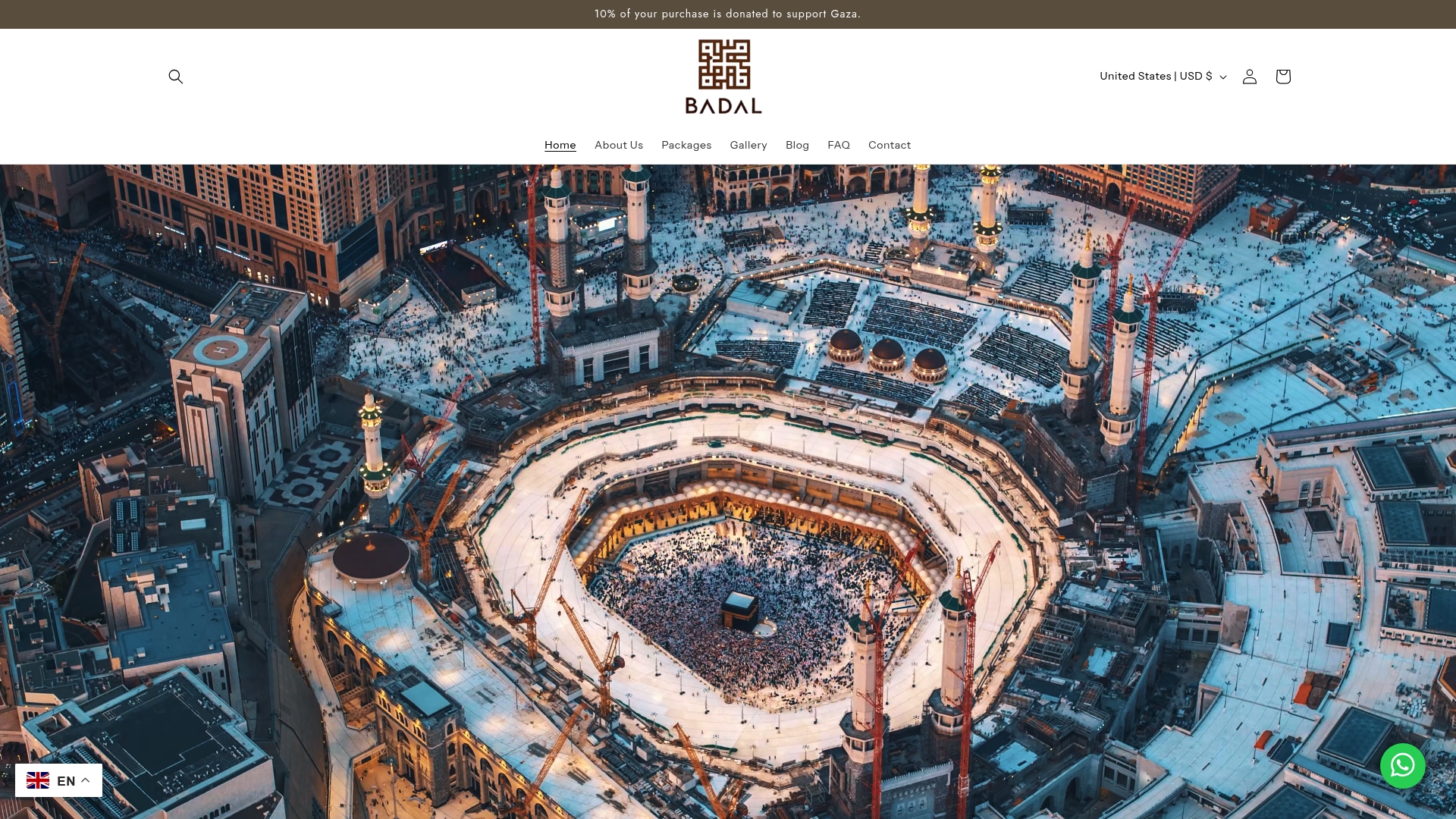
Take the first step toward a spiritually fulfilling and worry-free proxy Umrah experience today. Visit our Home page – Badal Umrah to explore how our dedicated team safeguards your family’s trust while honoring Islamic principles. Do not delay fulfilling this sacred duty with someone you trust from Badal Umrah. Start now and secure peace of mind for your family’s spiritual journey.
Frequently Asked Questions
How can our family prepare mentally and spiritually for Umrah?
To prepare mentally and spiritually for Umrah, educate everyone about its significance and procedures. Organize family discussions to share hopes and intentions, which can strengthen emotional connections to the pilgrimage.
What documents do we need to gather for proxy Umrah?
For proxy Umrah, gather essential documents such as valid passports, vaccination certificates, and a letter of authorization. Start this process early, ideally three months before your target Umrah date, to avoid last-minute issues.
How do we choose the right proxy Umrah service package for our family?
Selecting the right proxy Umrah service package involves comparing tiers that match your family’s needs and budget. Evaluate what each package includes, such as accommodations, meals, and transportation, to ensure it meets your specific requirements without overspending.
What financial considerations should our family make for proxy Umrah?
Financial planning for proxy Umrah should include service package costs, visa processing fees, and any additional expenses like vaccinations. Create a comprehensive budget that mentions all cost components, and consider setting aside 10 to 15 percent as a contingency for unexpected expenses.
How can we ensure that the proxy Umrah service we choose is legitimate?
To verify a proxy Umrah service’s legitimacy, request documentation and look for clear breakdowns of costs and services. Establish communication channels and expect regular updates, which are essential for maintaining transparency and accountability throughout the pilgrimage process.
What steps should we take to follow up after the proxy Umrah is completed?
After proxy Umrah is completed, schedule a debriefing with the service provider to receive detailed documentation of the pilgrimage. Request photos and certificates confirming the journey, and provide feedback to help improve future services or share your experience with others.